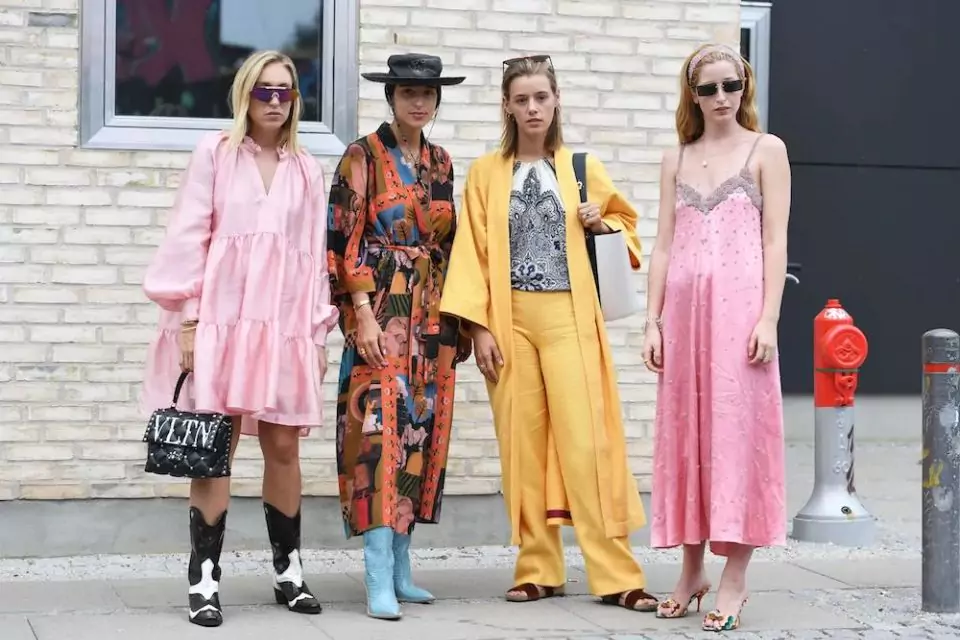
A leading worldwide fashion event, Copenhagen Fashion Week is renowned for its cutting-edge Scandinavian design and commitment to sustainability. This yearly celebration in Copenhagen, Denmark is a remarkable example of how innovative design, fine craftsmanship, and straightforward design coexist all together. The festival, which features notable companies including Ganni, Stine Goya, and Cecile Bahnsen, is renowned for promoting a circular economy and pushing the boundaries of environmentally friendly fashion.
Inspired by the idea of Collapse & Build, Won Hundred’s Autumn and Winter collection was shown to the fashion industry in January. Under the direction of Creative Director Nikolaj Nielsen and Head of Design, the band embarked on a new chapter this season by examining the harmony between creation and destruction by fusing raw materials with sophisticated designs.
When is Copenhagen Fashion Week 2025 happening?
As we have seen the Scandivanian Fashion Week specially organized in Copenhagen, is based on Winter/Autumn. Copenhagen Winter Fashion Week is currently going on and started on 27th January and will end on 31st January 2025. Whereas Autumn one will be held from 5th August to 9th August 2025. Held every two years, the festival highlights the finest Scandinavian design with an emphasis on innovation & sustainability. To see the newest styles and collections of the designers, there will be an audience from worldwide. The fashion week continues to set the standard for other fashion capitals by pushing the boundaries of eco-conscious and stylish apparel. Copenhagen continues to be in the vanguard of the global fashion industry’s shift toward sustainability, therefore its 2025 edition is eagerly awaited.
The key insights of the Copenhagen Fashion Week in the past few years
The key insights of the Copenhagen Fashion Week in the past few years | Oglooks
1. Technology changes can be the new future of fashion shows
As we have seen Covid-19 has changed all the manner of old ways of hosting these shows. It has also insisted on the designer’s perspective in organizing the show. There have been online shows for the digital audience who are fashion enthusiasts. Most viewers have only seen these shows in huge crowds but now designers have also started luxury shows online and released their collections as well. It is a hybrid approach guiding designers to present their shows for future digital approaches.
2. Strong focus on sustainability
This fashion week has made great progress in recent years to encourage sustainability in the fashion sector. Its Sustainability Action Plan was unveiled in 2020, and imposed stringent environmental requirements on participating firms, encouraging designers to utilize ethical production practices, minimize waste, and source responsibly. As a result of this initiative, Copenhagen has established itself as a pioneer in sustainable fashion, inspiring other international fashion weeks to do the same.
3. Rise of Scandinavian Designers
Scandinavian brands have benefited greatly from the event’s strong platform for global awareness. Designers like Cecilie Bahnsen, Ganni, and Stine Goya have left a lasting impression on brands and audiences with their unique take on fashion that merges artistic expression with simplicity. Additionally, up-and-coming designers have been given the chance to display their abilities which has increased Nordic Fashion’s global importance.
4. Innovation in fabric & craftsmanship
Innovative materials including upcycled clothing, biodegradable textiles, and recycled fabrics have become more popular in recent years. To produce collections that are both fashionable and ecologically conscious, Danish designers have embraced new processes. This dedication to creativity and workmanship has strengthened Copenhagen Fashion Week’s standing as a center for forward-thinking fashion.
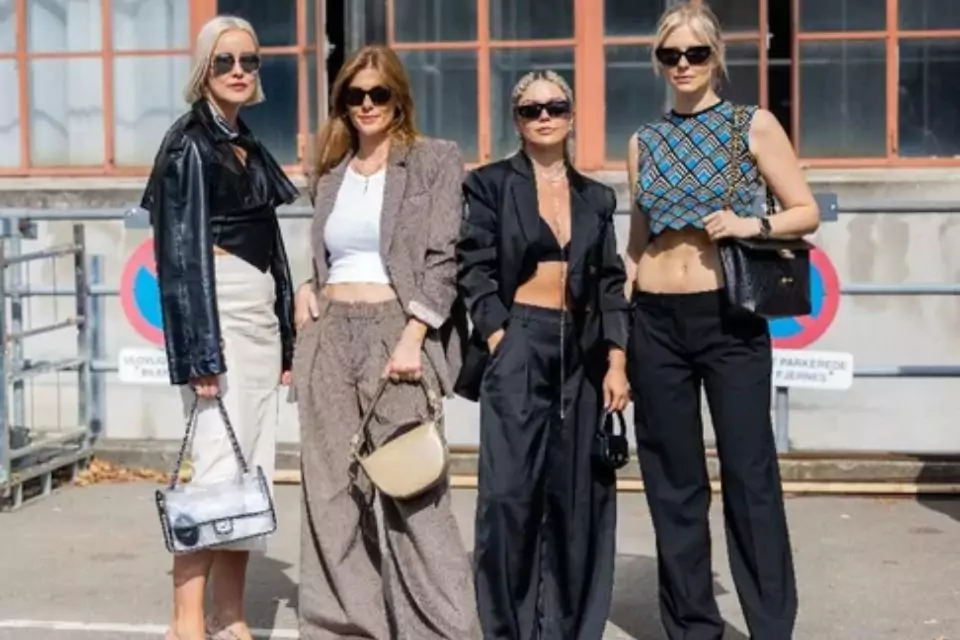
5. Street style & cultural influence
Copenhagen Fashion Week street style has emerged as a key attraction outside of the catwalk. Fashion-forward guests who appreciate a blend of daring, eccentric, and effortlessly stylish Scandinavian design are drawn to the event. This impact goes beyond Denmark, influencing fashion trends all around the world and solidifying Copenhagen’s position as a leading city in the world of fashion.
Highlights of the Last few days of Winter Copenhagen Fashion Week
Copenhagen Fashion Week got off to a spectacular start with a wide range of designs that set the tone for the rest of the week. Both famous and emerging designer’s work was showcased on the first day, with Ganni’s eco-friendly inventions taking center stage. Their innovative use of environmentally friendly materials was noteworthy and showed how fashion can set the standard for environmental responsibility.
Stine Goya, renowned for her vivid prints and daring use of color, displayed her collection on day two. Her creations and craftsmanship combined with Scandinavian simplicity with humor, gave the runway a new lease on life. In contemporary fashion, the day was a celebration of creativity and a merge of sustainability & artistry.
In keeping with its signature aesthetic, Baum und Pferdgarten produced a strong collection in the middle of the week that blended traditional craftsmanship with whimsical accents. The show featured a sophisticated fusion of classic designs that dynamically balanced modern and traditional aesthetics.
In the closing days, attention turned to the up-and-coming artists creating controversy at CPHFW. With their creative ideas and environmentally friendly methods, these emerging designers pushed the envelope and gave Scandinavian fashion a promising future. As fashionistas embraced their unique takes on the week’s themes, the street style outside the events continued to be equally captivating.
From Detailed Craftsmanship to Sustainability – In & Outs of Copenhagen Fashion Week
Copenhagen Fashion Week is a famous fashion show that promotes sustainable fashion
The event is taking place in Copenhagen Denmark. This year showcased an outstanding illustration of how innovative design and fine craftsmanship coexist.
This yearly celebration in Copenhagen, Denmark is a remarkable example of how innovative, straightforward design and fine craftsmanship, coexist. The festival, which features notable companies including Ganni, Stine Goya, and Cecile Bahnsen, is renowned for promoting a circular economy and pushing the boundaries of environmentally friendly fashion.
Inspired by the idea of Collapse & Build, Won Hundred’s Autumn and Winter collection was shown to the fashion industry in January. Under the direction of Creative Director Nikolaj Nielsen and Head of Design, the band embarked on a new chapter this season by examining the harmony between creation and destruction by fusing raw materials with sophisticated designs.
When is Copenhagen Fashion Week 2025 happening?
The Copenhagen Fashion Week is held every two years. This year Copenhagen Winter Week is expected to begin between the 27th to 31st January 2025 while the Autumn Week will be from the 5th to the 9th August 2025.
The event is huge and people can see the best Scandinavian designs. The focus is on being creative and also taking care of the planet. Everyone worldwide is welcome to come and check out the newest styles from the designers. The fashion week continues to set the standard for other fashion capitals by pushing the boundaries of eco-conscious and stylish apparel. Copenhagen continues to be in the vanguard of the global fashion industry’s shift toward sustainability, therefore its 2025 edition is eagerly awaited.
The key insights of the Copenhagen Fashion Week in the past few years
1. Technology changes can be the new future of fashion shows
As we have seen Covid-19 has changed the conventional methods of hosting these shows. The designer’s perspective are being taken into consideration while organizing the show. There have been online shows for fashion enthusiasts. Most viewers have only seen these shows in the company of a large crowd but now designers have also started online luxury shows and released their collections. It is a hybrid approach guiding designers to present their shows for future digital approaches.
2. Strong focus on sustainability
Copenhagen Fashion Week has been working hard to help the environment and make fashion better for the planet. In 2020, they made a plan to reduce waste and set rules for companies to follow so they can make clothes safely and fairly. Because of these efforts, Copenhagen is now a leader in eco-friendly fashion, and other fashion weeks around the world are being inspired to do the same.
3. Rise of Scandinavian Designers
Scandinavian brands have flourished immensely from the event held. Some fashion designers, like Cecilie Bahnsen, Ganni, and Stine Goya, design clothes that are both creative and simple. Because of their unique style, many people and other brands like what they do. Furthermore, emerging designers have been allowed to showcase their skills, which has raised Nordic Fashion’s profile internationally.
4. Innovation in fabric & craftsmanship
Over the years, there has been a rise in the use of biodegradable textiles and recycled fabrics. To balance fashion and environment various Danish designers have begun to embrace the process in their work. This dedication to creativity and workmanship has strengthened Copenhagen Fashion Week’s standing as a center for forward-thinking fashion.
5. Street style & cultural influence
Copenhagen Fashion Week street style has emerged as a key attraction outside of the catwalk. Fashion-forward guests who appreciate a blend of daring, eccentric, and effortlessly stylish Scandinavian design are drawn to the event. This impact goes beyond Denmark, influencing fashion trends all around the world and solidifying Copenhagen’s position as a leading city in the world of fashion.
Highlight of the concluding days of Copenhagen Fashion Winter Week
Highlight of the concluding days of Copenhagen Fashion Winter Week | Oglooks
Copenhagen Fashion Week began in a really exciting way with lots of different clothes that showed everyone what to expect for the week. It opened with both well-known and new designers sharing their creations. Ganni’s eco-friendly inventions took center stage. The innovative use of environmentally friendly materials by the designers was noteworthy and showed how fashion can set the standard for environmental responsibility.
Stine Goya, renowned for her vivid prints and daring use of color, displayed her collection on day two. Her creations, craftsmanship combined with Scandinavian simplicity and humor, gave the runway a new lease on life. In contemporary fashion, the day was a celebration of creativity and a merge of sustainability & artistry.
In keeping with its signature aesthetic, Baum und Pferdgarten produced a strong collection in the middle of the week that blended traditional craftsmanship with whimsical accents. The show featured a sophisticated fusion of classic designs that dynamically balanced modern and traditional aesthetics.
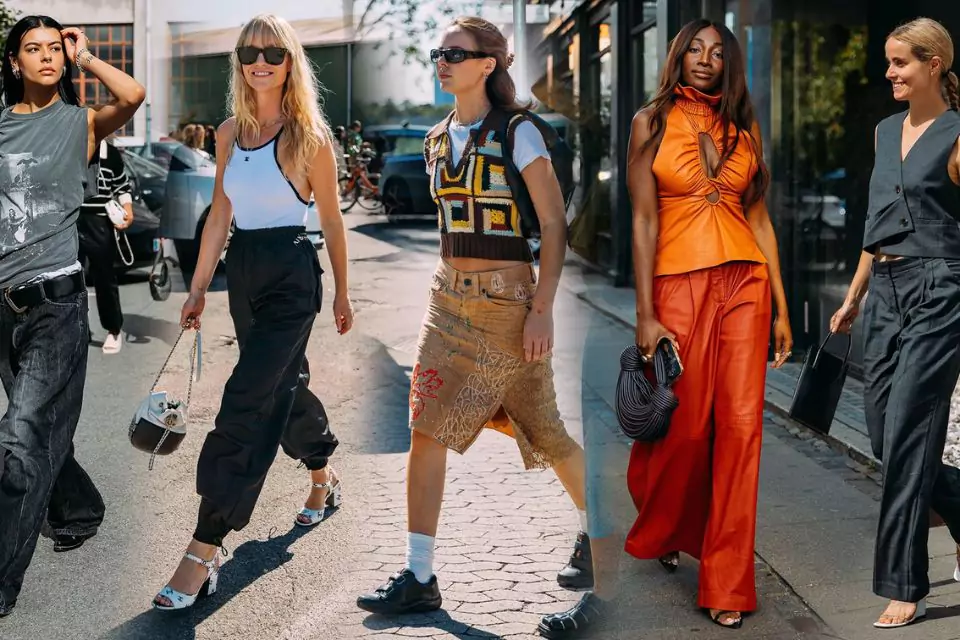
In the closing days, attention turned to the up-and-coming artists creating controversy at CPHFW. With their creative ideas and environmentally friendly methods, these emerging designers pushed the envelope and gave Scandinavian fashion a promising future. As fashionistas embraced their unique takes on the week’s themes, the street style outside the events continued to be equally captivating.
The back story of Copenhagen Fashion Week
The founding of two significant Danish fashion trade shows, Dansk Modeuge and Dansk Herremodeuge, in the 1950s marked the beginning of Copenhagen Fashion Week (CPHFW). Acting as the foundation for what would eventually grow into the renowned fashion event that we know today A new era for Danish Fashion began in 2006 when the two events combined to create the first official CPHFW.
It became the world’s 5th largest fashion week after gaining an international reputation all over. Established as the biggest in Northern Europe, drawing buyers and media from around the world and exhibiting a fusion of fashion partnerships and cultural influences.
CPHFW has been dedicated to sustainability since its founding, pioneering the movement for environmentally responsible fashion with ground-breaking initiatives. The event unveiled its Sustainability Action Plan in 2020, mandating that all participating firms follow tough sustainability guidelines, such as a prohibition on single-use plastics and the application of circular design concepts. With a requirement that at least 50% of collections contain recycled or upcycled materials, these initiatives were further strengthened by 2023. CPHFW continues to set the bar high for the fashion industry by proving that innovation and sustainability coexist.
Funding & Organizational Structure of CPHFW
To successfully promote sustainability and innovation the Danish Ministry of Industry, Business, and Financial Affairs supports the event’s objective. They get 15% of their funding from public sources and the remaining 85% is derived from business alliances, with major participants such as Zalando supporting the event’s environmental objectives. The event also promotes homegrown talent and supports local designers, creating an innovative and inclusive environment. To guarantee that sustainable practices are at the heart of CPHFW’s operations, cooperation with industry shareholders is essential.
Global Impact of CPHFW
CPHFW established the benchmark for evolving global fashion trends focusing on sustainability. Since February 2023, the event has established a new industry standard by mandating that brands incorporate at least fifty percent reused or upcycled materials into their designs. Other fashion weeks are being encouraged to adopt eco-friendly practices through this effort. Additionally, these events inspire new ideas by pushing designers to try out revolutionary materials like Circulose from Renewcell.
CPHFW promotes sustainability globally by showcasing up-and-coming Nordic brands through programs like NEWTALENT. The city cares a lot about the environment, which is making companies think about how they can make clothing in a way that is good for the Earth.
Conclusion
In conclusion, CPHFW had a sensational display of Scandinavian creativity. CPHFW encourages various stakeholders and shareholders to embrace creativity and green consumption. The event is still an influential agent for change as it develops and grows, guiding the sector toward a more moral and sustainable future.
For more fashion details, visit OGlooks!

 English
  Polski